How-To Guides
From concept to execution — comprehensive guides for hosting pop-up dinners, planning tasting menus, and running chef collaborations.
ChefCollabs guides take you from idea to execution. Whether you're hosting your first pop-up dinner, planning a charity event, designing a tasting menu, or organizing a restaurant takeover — each guide provides step-by-step instructions, checklists, templates, and real examples from our Collab Archive. These are the playbooks that turn collaboration from a concept into a reality.
Featured Guides

How to Host a Pop-Up Dinner
The complete guide to hosting your own pop-up dinner — from concept and venue selection to menu planning, ticketing, marketing, and execution.
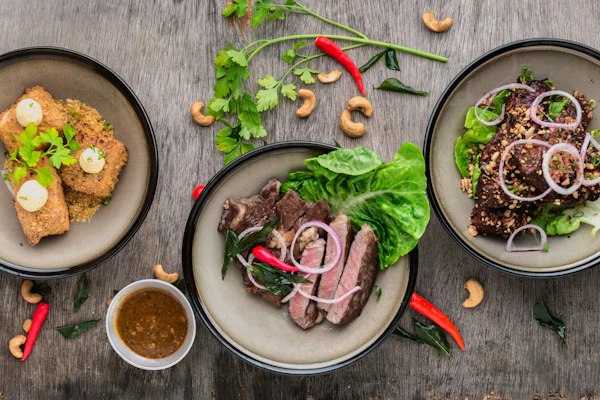
How to Create a Tasting Menu
Design a multi-course tasting menu with narrative flow, pacing, and balance. Course progression, portion sizing, wine pairing, and service timing.

How to Organize a Charity Dinner
Plan a fundraising dinner that maximizes culinary impact and charitable contribution. Venue logistics, chef recruitment, sponsorship, and ticketing.

How to Run a Restaurant Takeover
The logistics of hosting or being a guest chef — negotiating with the host venue, adapting to an unfamiliar kitchen, and creating memorable experiences.

How to Choose a Chef Collaboration Partner
Finding the right collaborator is everything. Complementary skill assessment, creative compatibility, and how to pitch a collaboration.

Food Safety & Legal Guide for Pop-Up Events
Navigate permits, food handling certifications, insurance, liability, and health department requirements. US, UK, and EU guidance.
Frequently Asked Questions
To host a pop-up dinner: (1) Define your concept — theme, cuisine, and guest count; (2) Find a venue — restaurants, event spaces, rooftops, galleries, or your home; (3) Handle permits and insurance; (4) Plan your menu — 4-6 courses with a cohesive narrative; (5) Source ingredients and create a prep timeline; (6) Set your price point and ticketing; (7) Market through social media and local food communities; (8) Execute a practice run; (9) Set up ambiance, place settings, and flow; (10) Cook, plate, and serve. Read our complete guide for detailed instructions.
It depends on your jurisdiction and whether you're charging guests. In many US cities, charging for food requires a temporary food service permit and food handler's certification. Private dinner parties where you're not selling food generally don't require permits. Always check your local health department's requirements. If hosting at an existing restaurant, the venue's permits typically cover your event.